Ambulatory Phlebectomy
What Is Ambulatory Phlebectomy Treatment?
Ambulatory phlebectomy is a method of surgical removal of surface varicose veins. The area surrounding the varicose vein clusters is flooded with anesthetic fluid. A needle is then used to make a puncture next to the varicose vein and a small hook is inserted into the needle hole and the varicose vein is grasped and removed. The punctures typically leave nearly imperceptible scars. After the vein has been removed by phlebectomy, a bandage and/or compression stocking is worn for a short period.
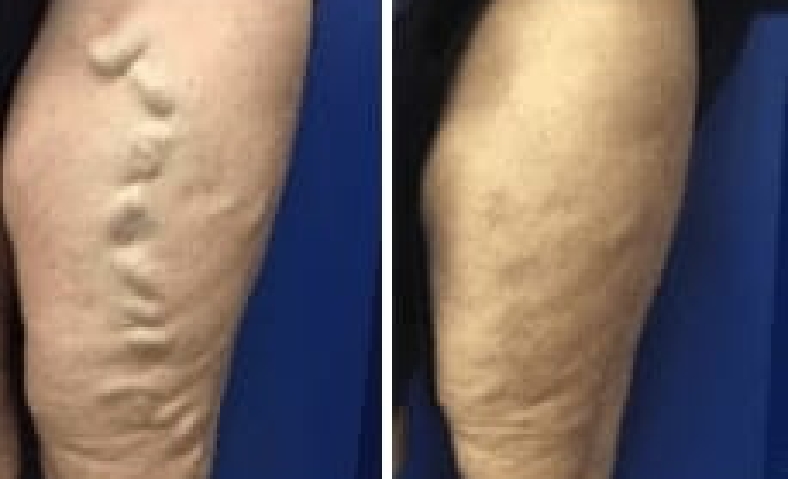
Benefits Of Ambulatory Phlebectomy
A Microphlebectomy is an excellent procedure for removing bulging varicose veins quickly and efficiently. Because we remove the affected vein completely, all of the associated symptoms are eliminated immediately. These procedures are typically very well tolerated and are done under local anesthetic here in the office. The veins are actually removed through needle punctures as opposed to incisions and thus no sutures are needed and patients typically return to normal the next day. Most patients report post-op pain as only being a 2 or 3 on a 1-10 scale and they typically only need to take over-the-counter pain medications for a day or two. In contrast to foam sclerotherapy, a large area can be treated in a single session with a phlebectomy where it would take multiple visits to treat similar veins with sclerotherapy.
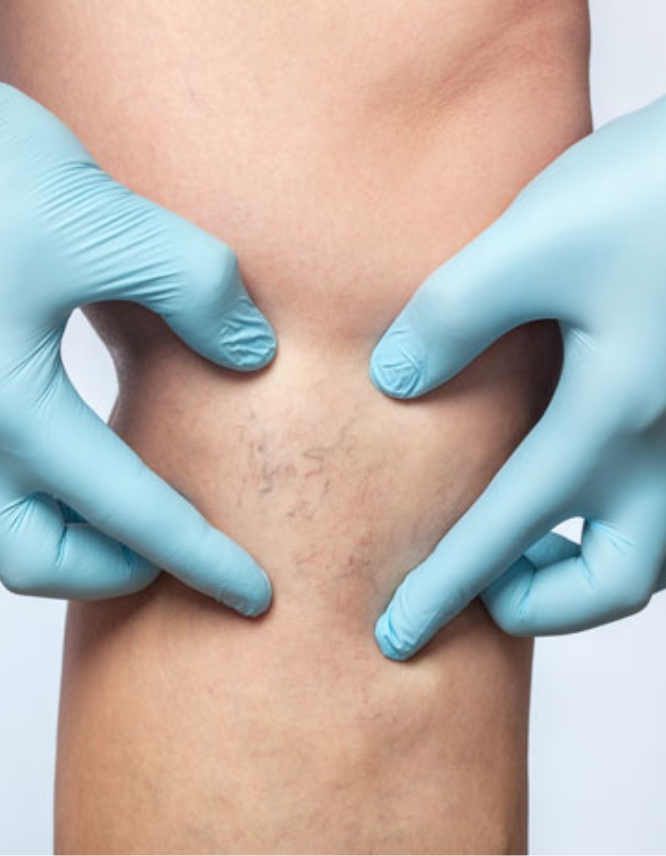
Who Is A Good Candidate For An Ambulatory Phlebectomy?
Phlebectomy is an excellent option for patients with large, ropy veins at or near the surface of the skin. This option offers superior cosmetic results, typically in one setting that may take multiple visits with other options with other techniques such as sclerotherapy. Patients who need to be on blood thinners and patients with deeper veins or patients with abundant loose skin such as after significant weight loss may be better served by other treatments.
Meet Dr. Brian Heeringa
Dr. Heeringa is a Board certified General Surgeon, a Fellow of the American College of Surgeons, and a Diplomate of the American Board of Venous and Lymphatic Medicine. Our team treats a broad spectrum of venous conditions ranging from spider veins to varicose veins to venous ulcers and everything in between. We also offer DVT risk assessment and can help manage post thrombotic syndrome. Call today to find out how our team can help you.
The Ambulatory Phlebectomy Treatment
For the phlebectomy procedure, the physician will mark out the varicose veins with the patient standing. Then, when the patient is laying down, a dilute numbing medicine or tumescent anesthesia is infiltrated into the skin and around the veins. The doctor will then use a needle to make tiny holes adjacent to the marked veins and then remove the veins through these needle holes.


